An IVA allows you to settle your unsecured debts. You pay back what you can afford. Your creditors write off any debt left outstanding.
Looking to start an IVA? Use this guide to find out everything you need to know. Understand the key implications and how it will affect you.
Contents
What is an IVA?
An IVA (Individual Voluntary Arrangement) is a personal debt solution. It allows you to become debt free by settling your unaffordable debt over a period of time.
The most common form is where you make reduced payments for 5-6 years. Once the agreement is over, your creditors write off any debts left unpaid. You then move on with your life debt free.
The amount you will write off varies depending on your circumstances. It depends on how much you can afford to pay in to the Arrangement. It is possible to write off 75% or more of what you owe. However the actual amount may be less than this.
Almost anyone can use this type of agreement. It doesn’t matter whether you are employed, self employed, retired or on benefits. It is a private agreement. This means that no-one will find out unless you choose to tell them.
The IVA debt solution is available if you are living in England, Wales or Northern Ireland. Alternative solutions are available in Scotland.
How long will your IVA last?
If you have a monthly payment IVA, the agreement is likely to last for 5-6 years. It is normal to offer your creditors payments over 5 years but they may require you to extend this to 6.
Where you are a home owner, your Arrangement could be extended for a further 12 months. This can happen if there is equity in your property which you are unable to release.
It is possible for the agreement to last less than 5-6 years if you find you are in a position to pay it off early.
To do this, you will usually have to pay the total of your remaining payments as a single cash lump sum. The money to do this would have to come from a third party.
Rather than a monthly payment IVA, you could pay a single lump sum all in one go. This is known as a lump sum payment agreement. This is where you agree to pay a single cash lump sum up front. Your Arrangement is finished when the lump sum is paid.

How much will your IVA payment be?
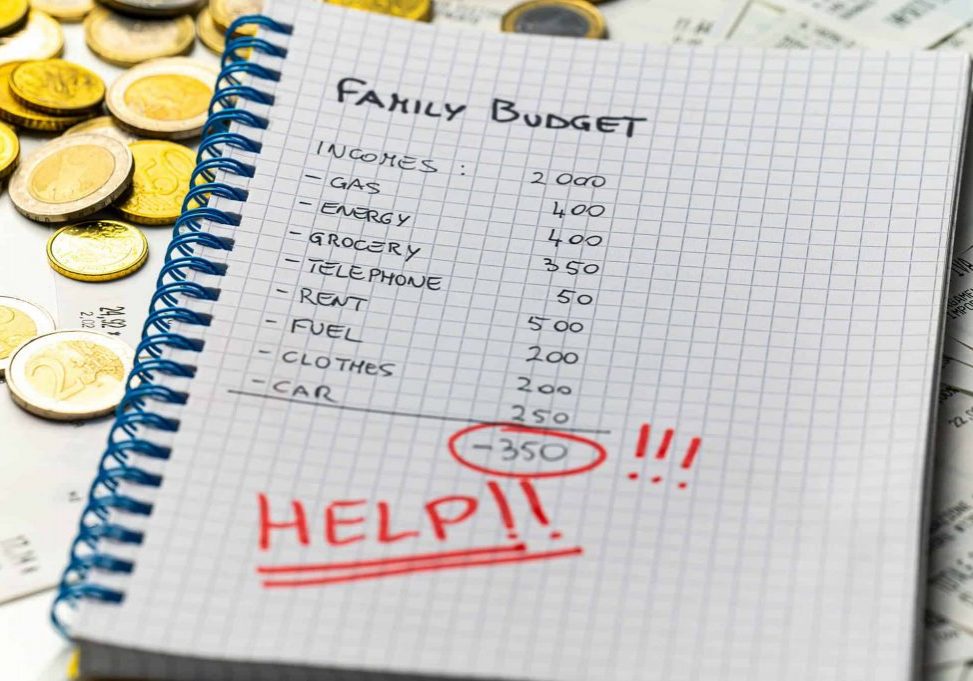
Your IVA payment is based your surplus (or disposable) income. This is the amount you have left over each month after all of your reasonable living expenses have been deducted.
To calculate how much your payment will be, you deduct your total expenses from your total income.
Before you can do this you will need to complete a detailed review of your income and living expenses budget. This includes a complete list of all sources of your income and all your reasonable living expenses amounts.
Your creditors will review your income and expenses figures as part of your proposal.
The minimum monthly payment is normally £100. It might be possible to start paying less. However, you can be sure that your payments will increase during the Arrangement.
You have to pay 100% of your surplus income into your Arrangement.
Can your IVA payments increase?
Yes. Your payments are not fixed. They will increase during the Arrangement if your income goes up.
In addition, if you earn overtime or get a bonus, you will have to pay 50% of the extra you get into your Arrangement. This is over and above your regular monthly payment.
If your payment goes up, it does not mean that the length of the Arrangement will reduce. You still have to pay the same number of payments. All it means is that the amount you pay back towards your debt over all goes up.
Want to start an IVA? We will help you work out what your payment will be. Get in touch for further information and advice.

How is your credit rating affected by your IVA?
Starting an IVA will negatively affect your credit rating for 6 years. A record of the Arrangement will go onto to your credit file for this length of time.
There are some forms of credit that you can continue to use during the Arrangement. These include your mobile phone contract. However, most new credit applications (for example loans or credit cards) will be rejected.
Regardless of whether you pay off your Arrangement early, your credit rating will continue to be negatively affected for 6 years from the start date.
The record automatically comes off your file after this time. Your credit rating and ability to get new forms of credit should then return to normal.
Will your house be affected by an IVA?
If you are a home owner, an IVA could be a sensible debt solution for you.
The reason for this is that your property gets legal protection. It prevents your creditors from taking further action such as applying for a charge to secure their debt.
That said, the agreement may require you to release equity from your property to increase the amount you pay towards your debt. Whether or not you will have to do this depends on a number of factors:
1. Did your IVA start after April 2025?
If you started your IVA after April 2025, it is likely to be based on what are known as the IVA Protocol 2025 rules. As such, you may not be required to try and release equity at all.
In the majority of cases, if the value of your equity is up to £10k (based on 85% of the value) then as standard, the agreement will last 5 years. If it is £10k or over, the Arrangement will last 6 years.
There is no requirement for you to attempt to release equity in either case.
2. The amount of equity in your property
If your IVA started before April 2025, and the value of your equity when you started was less than £5k, it is unlikely you will have to consider releasing anything. If the value was greater than £5k, you might have to try and do so.
3. Have you got a bespoke IVA?
There is a possibility that regardless of the date your IVA started (or the amount of equity in your home when it started), you will still be required to release equity from your property as part of the agreement. This is known as a bespoke IVA.
You may have a bespoke IVA for one of the following reasons:
- There is a significant amount of equity in your property
- You have significant tax or VAT arrears owed to HMRC
- You own more than one property
Your mortgage is a secured debt and as such, you can’t include it in the agreement. You must continue paying your agreed mortgage payments.

What happens to your car in an IVA?
An IVA should not affect your car. The value of your vehicle is not normally taken into account.
The only time this would not be the case is if you have a particularly valuable car. In these circumstances, you might have to sell it and get a cheaper alternative which is less expensive to run.
You will not normally be able to keep a second vehicle – for example a motorbike for recreational use at weekends.
You should include a sufficient amount to cover your vehicle’s running costs in your expenses budget.
Car on finance and IVA
Where your car is on finance, you will normally be able to keep your car as long as you maintain the finance payments. However, you do need to consider certain implications:
Firstly, how will the car finance company react to your being in an IVA? Most will be fine with it as long as you maintain the monthly payments. You need to include a sufficient amount to do this in your living expenses budget.
That said, you should check with your car finance company before you start an Arrangement. Some may follow different rules and may demand the return of your vehicle.
Secondly, what happens when your finance payments come to an end? The answer to this depends on whether you have an HP agreement or a lease agreement (often known as PCP).
- HP
Once you finish making your payments, the car will be yours. You then have to add the money you were paying to the finance company to your monthly IVA payment. - Lease
When you come to the end of your lease agreement, you will normally hand back the car. You will then need to take on a new lease to get a new car.
Remember, at that time your credit rating will have become poor. This means you may not be able to use the same finance company. In addition, you may have to get a cheaper vehicle to ensure the monthly payments remain affordable.
Is an IVA right for you?
When you decide whether an IVA is right for you, there are a wide range of different factors you need to consider.
How much debt do you own and to whom.
The type of debt you owe is not normally an issue. You can add must unsecured debts. This includes a bank loan or credit card, HMRC debts, a CCJ, business debts, a bounce back loan and even gambling debts.
The minimum amount of debt you need to start an IVA is usually £7000. This is because the minimum average monthly payment over 5 years will be at least £100. If your total debt is less then £7000, you would end up repaying more than you owe and it would not make sense.
Can you afford the minimum payment?
To make this solution work, you will need to be able to afford to pay at least £100/mth. If you can’t sustain at least this level of payment, an alternative solution might be better for you.
Where do you live?
You can start an IVA if you live in England, Wales or Northern Ireland. The solution is not available if you live in Scotland.
You can still get this solution to manage your UK debt if you have moved abroad. This is the case regardless of where you are living now.
You will normally need to apply within 3 years from the date you left the UK.
Is your income sustainable?
You don’t have to be employed to start an IVA. However, you do need to have a sustainable income so you can maintain your agreed monthly payment.
Where your income comes from is not important. This solution could be suitable for you whether you are employed, on benefits, self employed, a company director or already retired. In some cases, a third party can maintain the payments on your behalf.
Are your circumstances likely to change?
An IVA might not be the right solution for you if you know our income is likely to fall. In these circumstances, it might be better to wait until things get more stable.
If you have already started an Arrangement and your income falls, you may need to cancel and use a different debt solution.
Are you aware that your income will increase significantly in the next few years? Alternatively are you likely to get a windfall such as an inheritance payment?
If these things happen, the amount you pay into your IVA will increase. You need to consider whether it will still be of benefit to you in these circumstances.
Do you live in rented accommodation?
If you are renting your home and have no other assets to protect, an IVA might not be the best option for you. Before you make any decision, you should get advice about going bankrupt. Bankruptcy lasts just 1 year. You only have to pay your surplus income towards your debts for 3 years rather than 5.
How can you be sure if an IVA is right for you? Get in touch with us today. Speak to one of our experts and we will guide you through the process.
How do you start an IVA?
Once you have decided to start an IVA, there are a number of steps you need to go through.
1 – Complete your financial statement
Sometimes called a Statement of Affairs, your financial statement is a summary of your financial situation. You will need to include details of your income, living expenses, assets and debts.
You have to provide documentation to confirm your information – for example bank statements and creditor balances.
2 – Draft your Proposal
You can’t start this type of debt solution yourself. Your IVA company will produce your proposal. This includes all of your financial information and shows how much you plan to repay towards your debts. A copy of the proposal is sent to all of your creditors for their review.
3 – IVA Accepted at a creditor meeting
Your creditors are normally given 2 weeks to consider your proposal. At the end of this time there is a creditor meeting where they decide whether to agree it. You do not need to attend the meeting. It is usually held on line.
The Arrangement will be accepted as long as 75% of the value of your creditors (who vote) say yes.
4 – Maintain your payments
Once your Arrangement is accepted, it gives you legal protection from your creditors. You now need to maintain the payments as agreed. Once you complete it, your creditors write off any debt you have not paid. You then continue with your life debt free.
If you still have any questions regarding the IVA process or are ready to embark on starting one, check out our IVA advice services or contact us directly to see how our IVA experts can guide you through this time. We understand that financial decisions can be complex and sensitive, which is why we approach each and every case with confidentiality and professionalism. Choose IVA Expert as your partner during this time.
 Written by James Falla
Share this post







Completely FREE advice
Confidential conversations
Expert help always at hand
What we can do
Start an IVA
- In depth advice and guidance
- Comprehensive income and expenses review
- Support through the process

Self Employed IVA
- Business revenue and expenses forecast
- Personal income and expenses review
- Support through the process
Cancel IVA and go Bankrupt
- Help with cancelling IVA
- Support with bankruptcy application
- Ongoing 12 month assistance
Mortgage after an IVA
- Guidance and information
- Planning for a mortgage
- Advice on timing and deposit