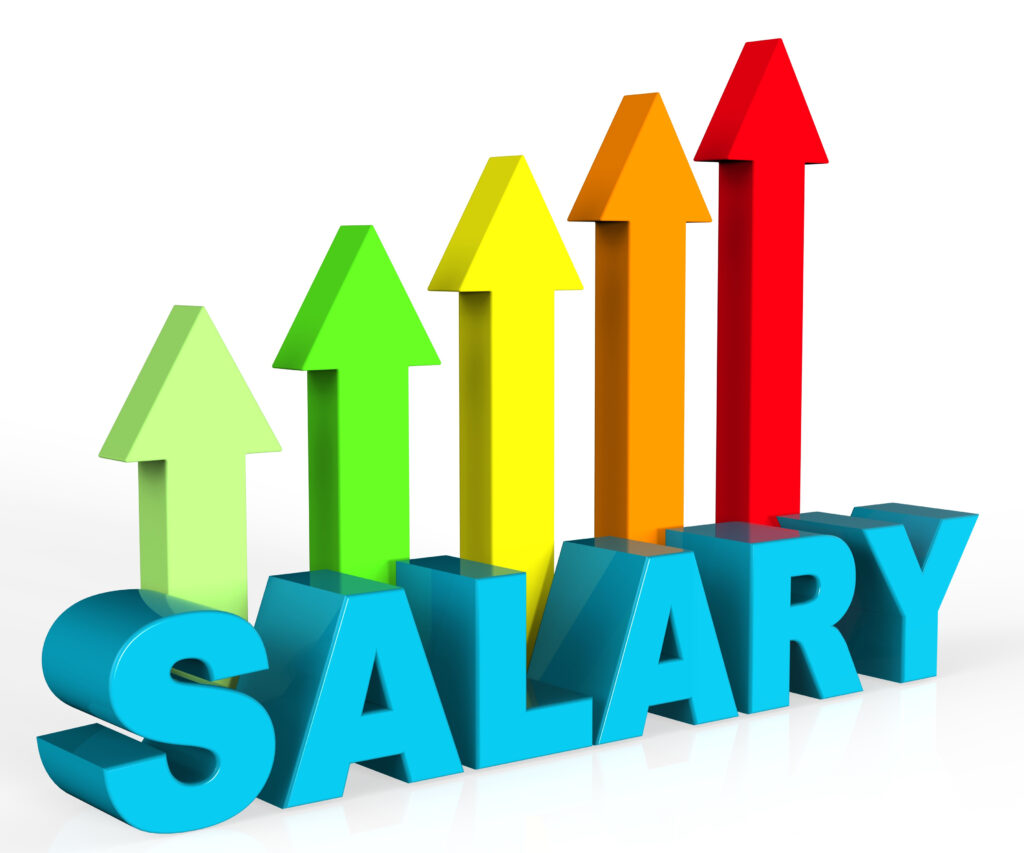
Your monthly IVA payments are not fixed. They will normally rise if you get a pay increase during your IVA. Where this happens, you simply repay more of your original debt. Your Arrangement does not finish sooner.
Key takeaways
- After you get a pay rise, your IVA payments will go up if your surplus income has also increased after accounting for any additional expenses.
- When your surplus income goes up, your IVA payment will go up by 50% of the increase. Your payment will remain unchanged if, having accounted for reasonable living expenses rises, your suplus income has stayed the same.
- An increase in other income sources, such as benefits or pensions, can also raise your IVA payments. You must report such changes to your IVA company so your surplus income can be reviewed.
- Extra money you earn on a temporary basis such as overtime or bonuses, does not change your ongoing IVA payments. However, if the extra amount exceeds 10% of your normal monthly income, 50% of the excess must be paid into the IVA.
- Getting a pay increase and paying more each month does not shorten the time your IVA lasts. The remaining number of payments remains the same.
Use this guide to discover everything you need to know about what happens when you get a pay rise or increase in any other form of income during your IVA. Find out what you need to do and what the likely effect on your ongoing monthly payments will be.
Contents
- If you get a pay increase will your IVA payments go up?
- How much does your IVA payment go up if you get a pay increase?
- What happens if your income goes up for another reason?
- What happens when you get a one off pay increase like overtime or a bonus?
- Does your IVA finish sooner if you get a pay increase?
- What happens if your income goes down during an IVA?
If you get a pay increase will your IVA payments go up?
Your IVA payments are not fixed. If you get a pay increase during your Arrangement they are likely to go up.
However, it is not automatic. You IVA payment will only go up after a pay increase if your surplus income has also gone up.
This means your payments will remain the same if, after accounting for any reasonable changes to your living expenses, your surplus has not changed.
How much does your IVA payment go up if you get a pay increase?
When you get a pay increase, your IVA payment goes up by 50% of any increase in your surplus income.
In other words, the amount your IVA payment goes up depends on how much your surplus income has changed.
For this reason, the first thing you need to do after you get a pay increase is re-calculate your surplus income.
Once you know how your surplus income has changed, you take half of this and add it to your IVA payment.
For example
- Let’s say your current surplus income (and therefore IVA payment) is £100/mth.
- You then get a pay increase and as a result your surplus income goes up to £200/mth. In other word’s you now have an extra £100/mth surplus.
- Your IVA payment will rise to £150/mth (50% of the additional £100/mth surplus).
How to recalculate your surplus income:
You do this by completing a new income and expenses budget.
- Take into account both your pay increase and any associated increases in your living expenses.
- Update your new income figure
- Increase any expenses that have gone up as a direct result of your pay increase. For example travel or child care costs associated with getting to your new job.
If you have simply received a pay rise with no associated living expenses increases, your surplus income will definitely have gone up.

What happens if your income goes up for another reason?
You IVA payment can also go up if any of your other forms of income increase.
These might include things like your pension or benefits payments.
In these circumstances, in the same way as if you get a pay increase, you have to submit a new income and expenses budget to your IVA company.
If your surplus income has gone up, you have to add 50% of the increase to your IVA payment.
You must inform your IVA Company as soon as you receive a pay increase or any other permanent improvement in your income you must inform your IVA Company. Do not wait for your next annual review.
What happens when you get a one off pay increase like overtime or a bonus?
If you do extra overtime or get a bonus, this is not a permanent increase in your income. It may only happen in a single month.
Even if you do overtime regularly, it can’t be guaranteed.
For this reason, overtime or bonus payments are not normally regarded as a permanent pay increase. As such, the way your IVA payment is treated if you earn extra money in this way is different.
Where the overtime or bonus is 10% or less of your normal monthly take home pay, you can keep the extra money.
However where the payment you receive exceeds 10% or your normal monthly take home, you must pay 50% of the amount (over 10%) into your IVA.
For example:
- Lets say your normal take home pay is £1000 per month.
- You can earn up to an extra £100 (10%) in any particular month and keep this money.
- But if you earn £300 extra, you keep the first £100. You split the remaining £200 50/50 between you and your IVA. In other word’s you keep £200 and you pay £100 extra into your IVA in that particular month.
You must tell your IVA Company within 14 days if you earn overtime or receive a bonus.

Does your IVA finish sooner if you get a pay increase?
If your IVA payments go up as a result of a pay increase, your IVA does not finish sooner.
It is a common misunderstanding to think that if you pay more each month, your IVA will be paid off more quickly. But this is not the way an IVA works.
Regardless of whether the amount you pay each month increases, the number of outstanding IVA payments you have left remains the same.
In other words, if you get a pay increase and your IVA payment goes up, all that happens is you pay more into the plan overall. You simply pay back more of the money you owe.
You may not be aware that when you sign up for an IVA, you are actually committing to repay up to 100% of your original debt if you can afford to do so.
It is possible to pay off an IVA early. However this will require you to offer a cash lump sum instead of your ongoing payments
What happens if your income goes down during an IVA?
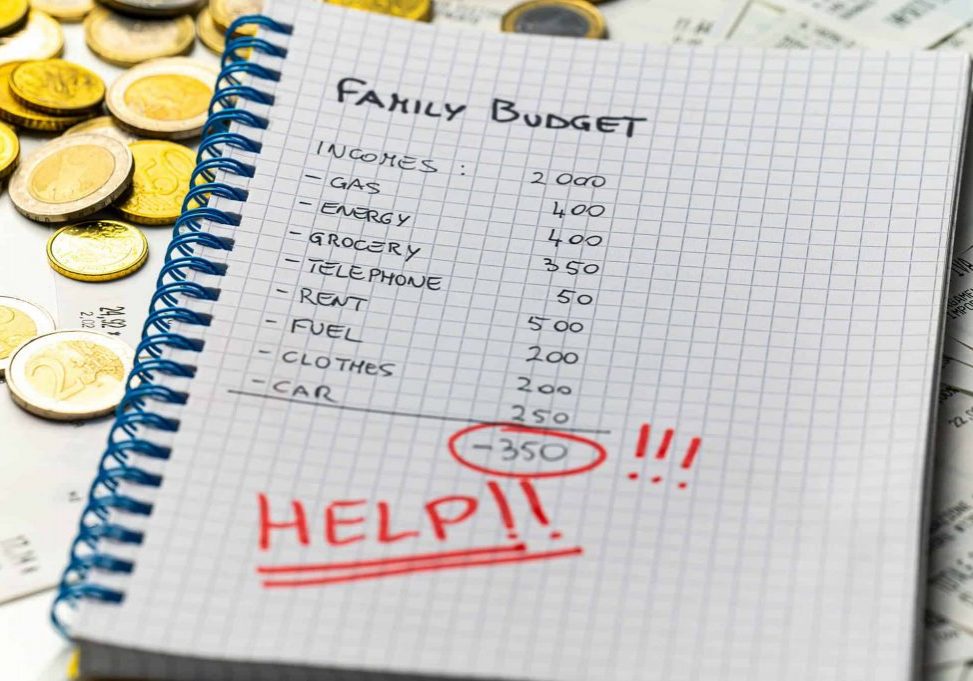
If your income falls while you are in an IVA, it might be possible to reduce your IVA payments.
However, you can’t depend on this.
Your IVA Company will ask you to submit an updated income and expenses budget which reflects your lower income. They will then be able to assess the impact on your surplus income.
If your surplus income has gone down by less than 20%, your IVA company many be able to reduce your payment without a formal agreement from your creditors. If the reduction you need is greater than 20%, a formal agreement with your creditors (known as a variation) will be required.
Where your IVA Company reduce your payment, they are also likely to increase the length of your IVA. Generally speaking they will extend it for an extra 12 months. This is to compensate your creditors for the reduced payments.
Your IVA company may not be able to reduce your payments if this means your IVA is no longer financially viable.
In these circumstances it might be possible for them to settle the Arrangement based on what you have already paid. If not, you have the option of cancelling your IVA and choosing a different method of managing your debts.
Has your income fallen during your IVA? Need independant advice? Give us a call today: 0800 180 8013
 Written by James Falla
Share this post







Completely FREE advice
Confidential conversations
Expert help always at hand
What we can do
Start an IVA
- In depth advice and guidance
- Comprehensive income and expenses review
- Support through the process

Self Employed IVA
- Business revenue and expenses forecast
- Personal income and expenses review
- Support through the process
Cancel IVA and go Bankrupt
- Help with cancelling IVA
- Support with bankruptcy application
- Ongoing 12 month assistance
Mortgage after an IVA
- Guidance and information
- Planning for a mortgage
- Advice on timing and deposit